Different Types of Roofing
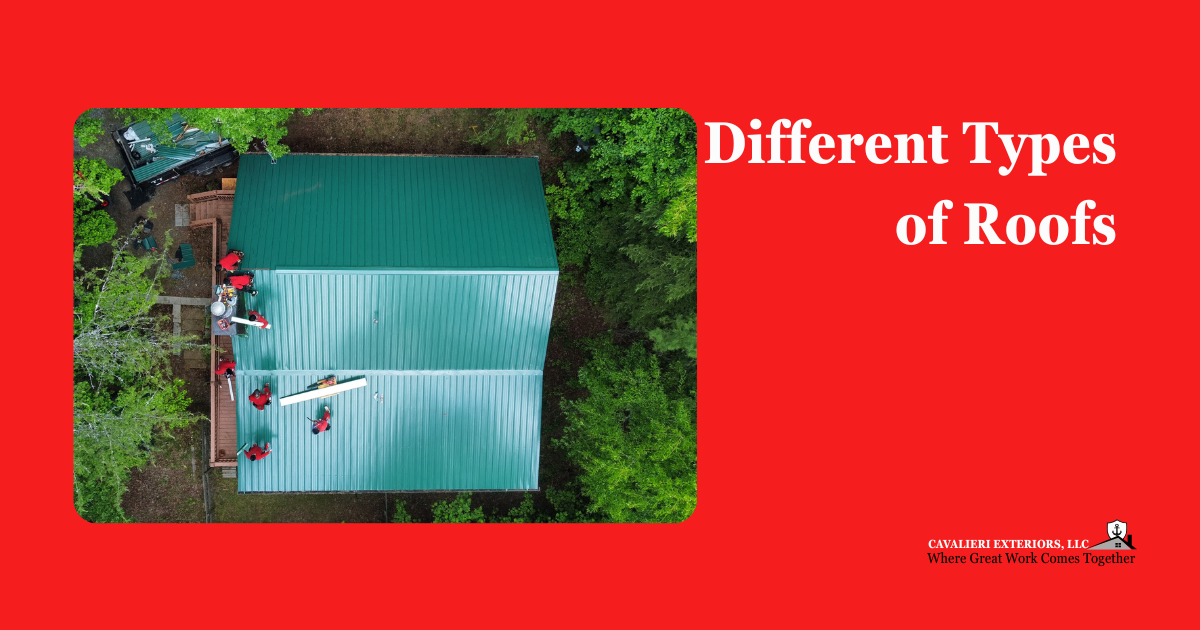
The Ultimate Article on Different Types of Roofing: Pros, Cons, and Costs
When it comes to building or replacing a roof, selecting the right material is one of the most important decisions a homeowner can make. Your roof doesn’t just protect you; It defines the home’s character, energy efficiency, and even its resale value. It can feel overwhelming to choose the best one for your climate, budget, and aesthetic with so many different types of roofs.
In this article, we’ll walk you through the most common types of roofing materials used in residential and commercial buildings. Whether you’re upgrading your current roof or starting fresh, understanding your options will help you make an informed decision that pays off in longevity, performance, and curb appeal.
Table of Contents
What to Consider When Choosing a Roof
Asphalt Shingles
Metal Roofing
Clay and Concrete Tiles
Wood Shingles and Shakes
Slate Roofing
Synthetic Roofing Materials
Green Roofs
Flat Roofing Systems (Commercial & Modern Homes)
Solar Roofing
Cost Comparison of Different Roofing Types
Conclusion
What to Consider When Choosing a Roof
Before diving into the specific types of roofs, it’s essential to know what factors should guide your decision:
Climate and Weather Resistance: Will the roof withstand wind, rain, snow, and sun in your region?
Budget: Upfront cost, installation, and long-term maintenance all add up.
Lifespan: Some materials last decades longer than others.
Aesthetic: Does the roof suit your home’s architecture?
Installation Complexity: Can it be installed over an existing roof, or does it require a full tear-off?
Local Codes and HOA Rules: Some areas restrict material types or styles.
1. Asphalt Shingles
Overview
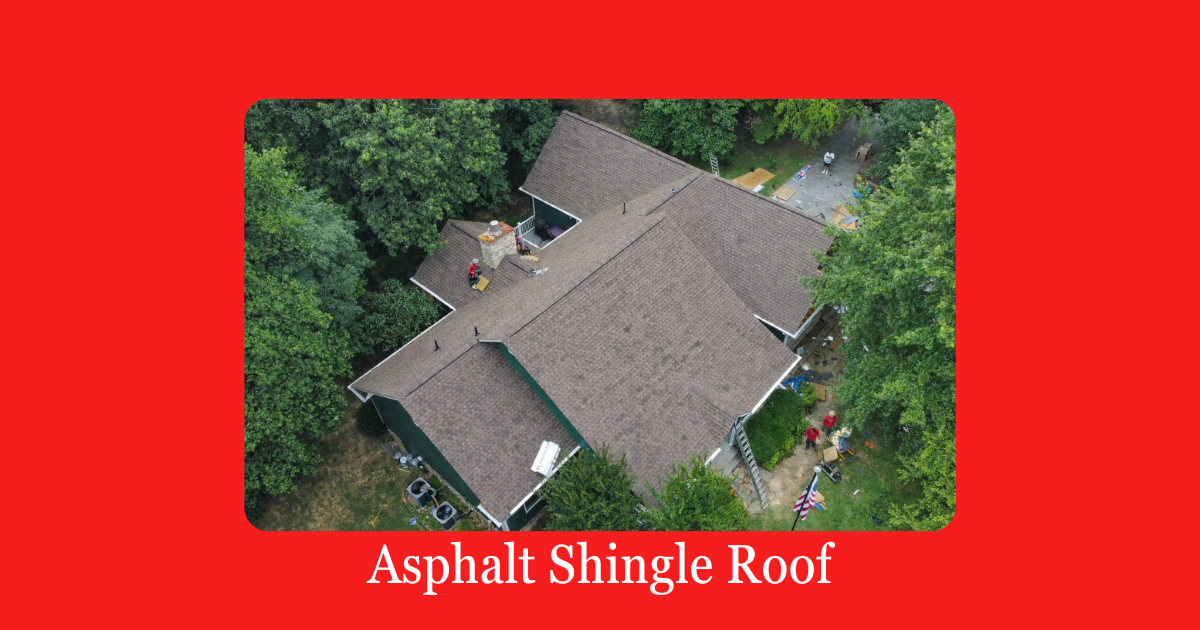
Asphalt shingles are the most popular roofing material in North America due to their affordability and ease of installation.
Types
3-Tab Shingles: Basic, flat, and uniform in size.
Architectural (Dimensional) Shingles: Thicker, more durable, and visually textured.
Luxury Shingles: Heavier and mimic materials like slate or wood.
Pros
Budget-friendly
Easy to install and repair
Wide color and style variety
Reasonable lifespan (15–30 years)
Cons
Susceptible to high wind damage
Shorter lifespan compared to premium materials
Not eco-friendly
Best For
Budget-conscious homeowners and standard residential homes.
2. Metal Roofing
Overview
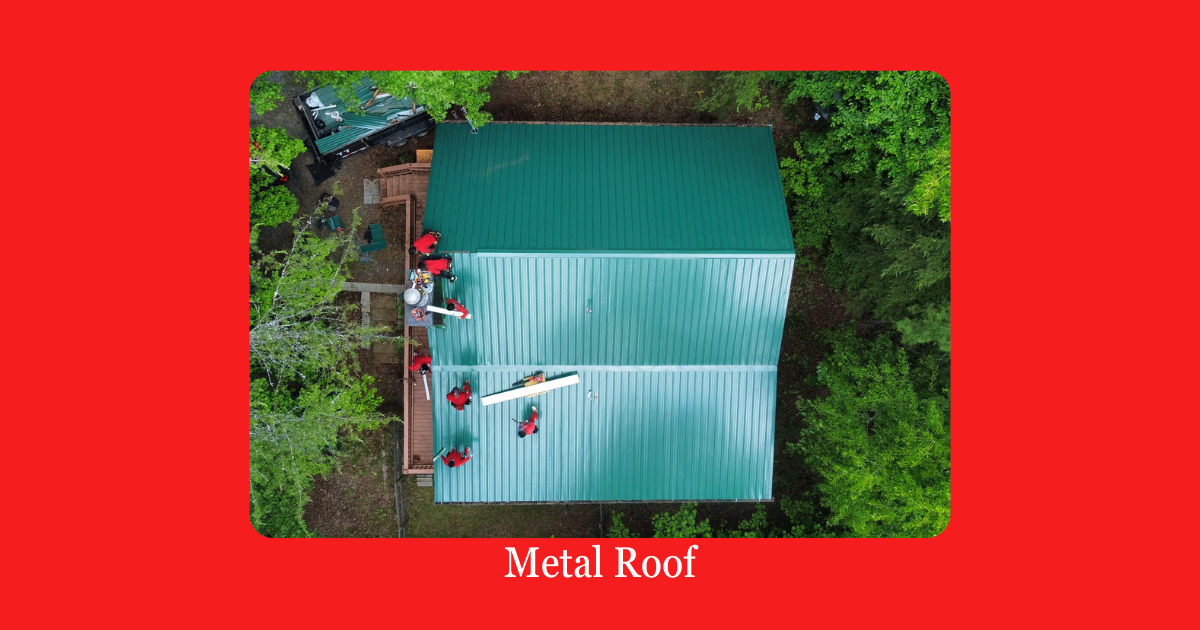
Metal roofs, once reserved for barns or industrial buildings, are now trending in residential design due to their sleek aesthetics and longevity.
Types
Standing Seam Metal Panels
Corrugated Metal Sheets
Metal Shingles (Steel, Aluminum, Copper, Zinc)
Pros
Extremely durable (40–70 years)
Fire-resistant
Energy-efficient—reflects sunlight
Lightweight
Cons
Higher initial cost
Can be noisy in rain or hail
Requires professional installation
Best For
Modern, eco-conscious homes; areas prone to wildfires or snow.
3. Clay and Concrete Tiles
Overview
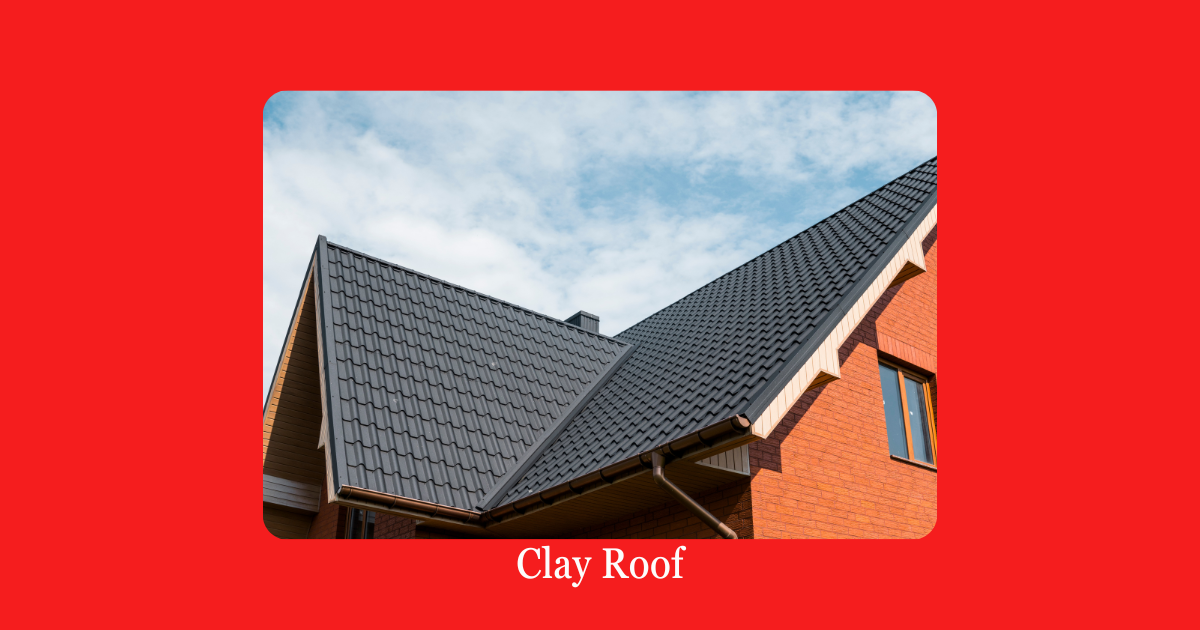
Tile roofs are common in Mediterranean, Spanish, or Southwestern-style homes. They provide unmatched durability and style.
Pros
Can last over 50 years
Fire and insect-resistant
Excellent thermal properties
Visually striking
Cons
Very heavy—may require roof reinforcement
Fragile under impact
Expensive to install and repair
Best For
Warm, dry climates; homes with traditional or Mediterranean architecture.
4. Wood Shingles and Shakes
Overview
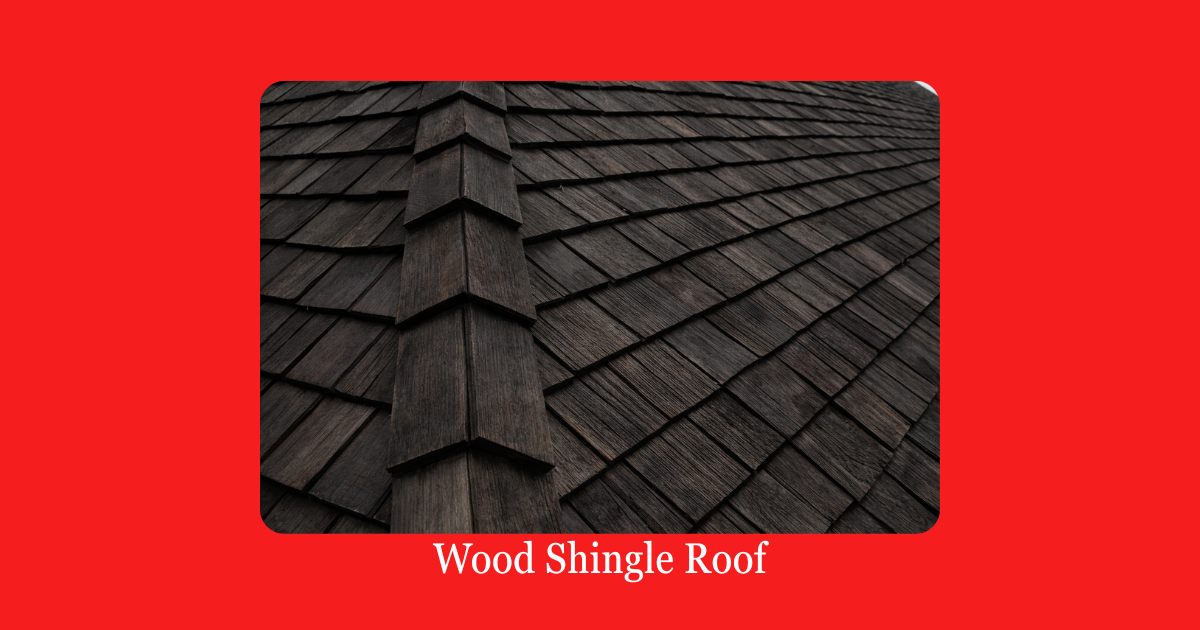
Wood roofing offers a natural, rustic look. Shingles are machine-cut, while shakes are hand-split for a rougher appearance.
Pros
Aesthetic appeal
Natural insulation properties
Can last up to 30–40 years with proper maintenance
Cons
Prone to fire unless treated
Requires regular maintenance
Vulnerable to mold, insects, and rot
Best For
Cottages, cabins, and historic homes in dry climates.
5. Slate Roofing
Overview
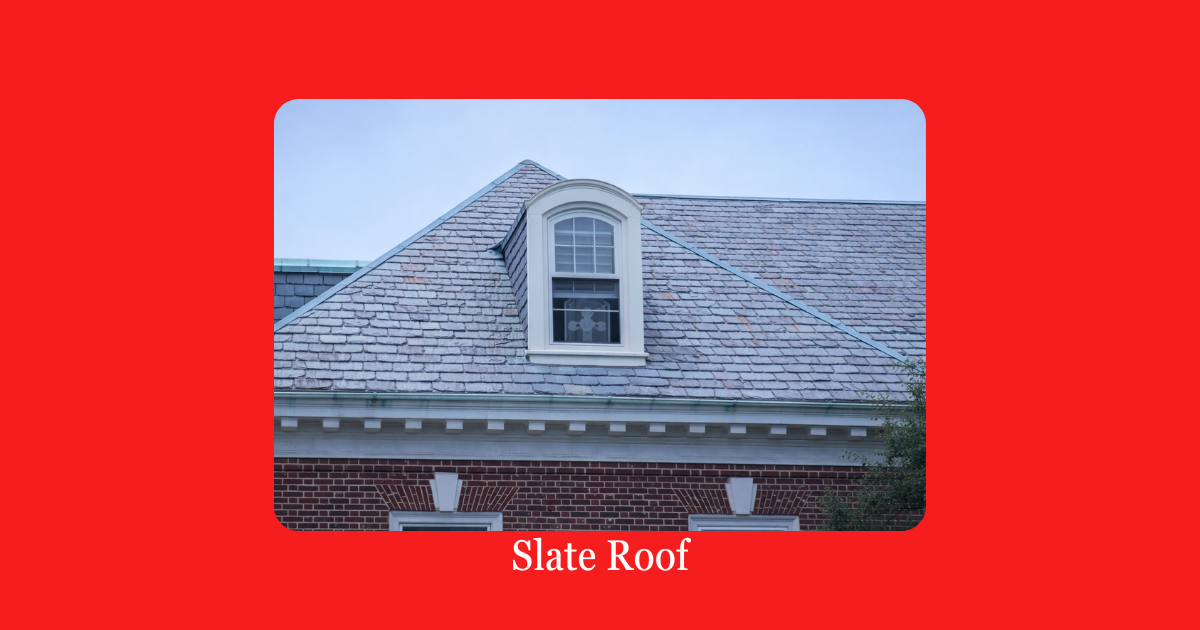
Slate is a high-end, natural stone roofing option known for its stunning appearance and extraordinary longevity.
Pros
Can last 75 to 150 years
Natural, eco-friendly
Fire and moisture-resistant
Very little maintenance
Cons
Very heavy
Expensive to install and repair
Requires specialized installers
Best For
Luxury or historic homes; homeowners looking for long-term investment.
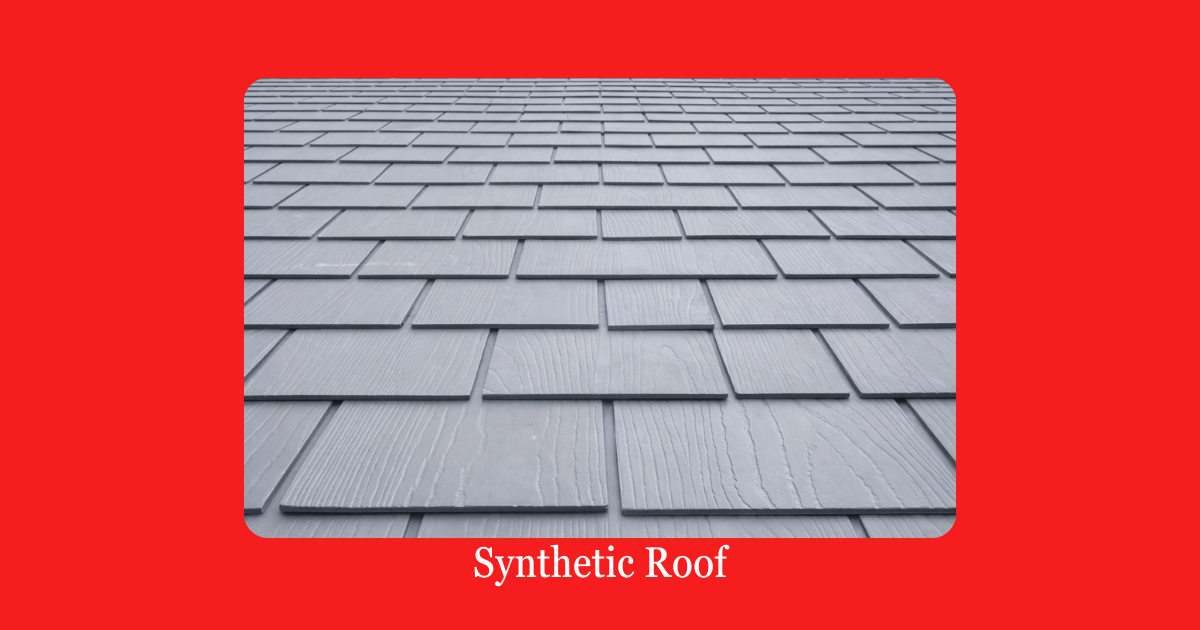
6. Synthetic Roofing Materials
Overview
These engineered products replicate the look of wood, slate, or tile using rubber, plastic, or polymer composites.
Types
Synthetic Slate
Composite Shingles
Recycled Rubber Tiles
Pros
Lighter and cheaper than natural alternatives
More impact- and weather-resistant
Often backed by 50-year warranties
Cons
Varies widely in quality
May not offer the same resale value as authentic materials
Best For
Homeowners who seek a balance between durability and aesthetics.
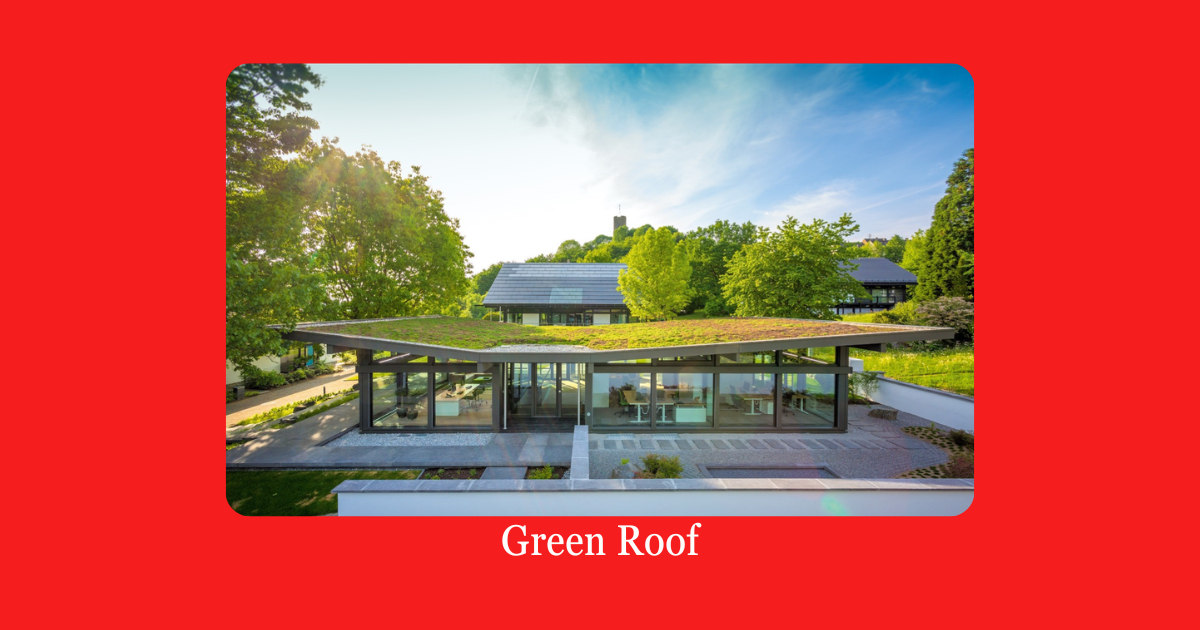
7. Green Roofs (Vegetative Roofs)
Overview
A green roof is a flat or low-slope roof partially or completely covered with vegetation over a waterproof membrane.
Pros
Excellent insulation
Reduces urban heat
Aesthetic and environmentally friendly
Manages stormwater
Cons
Complex and expensive to install
Needs ongoing maintenance
Requires structural assessment
Best For
Urban buildings and eco-conscious property owners.
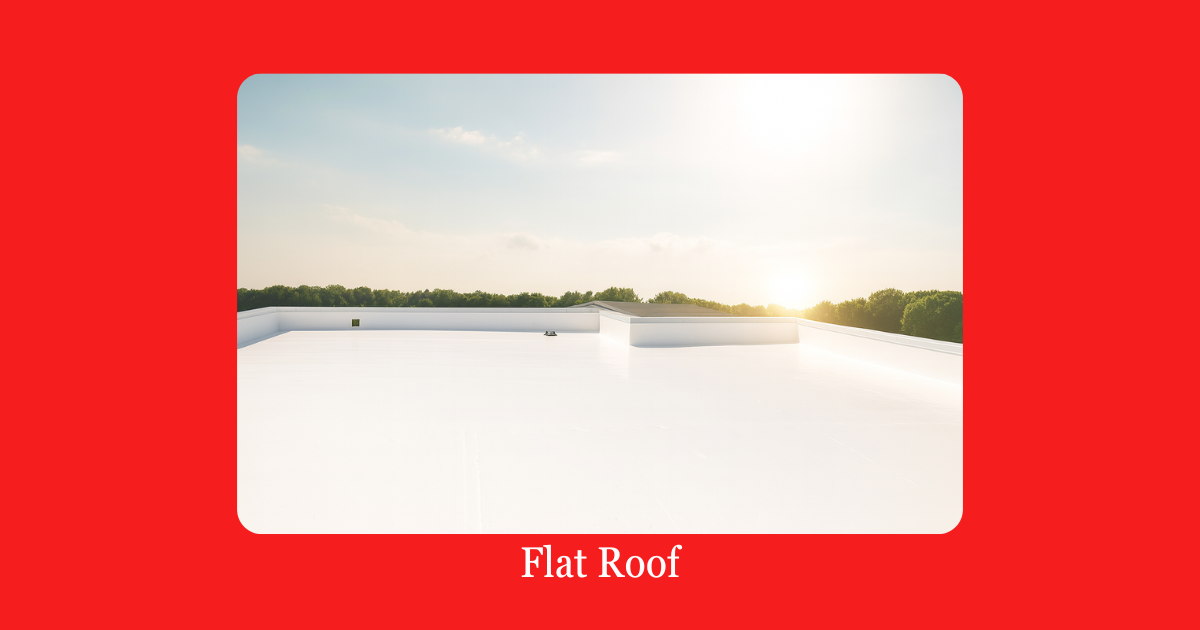
8. Flat Roofing Systems
Overview
Flat roofs are mostly used for commercial properties, but are becoming popular in modern residential homes.
Common Flat Roofing Materials
Built-Up Roofing (BUR)
Modified Bitumen
EPDM (Rubber)
TPO and PVC (Thermoplastics)
Pros
Inexpensive
Easy access for maintenance
Can double as a deck or garden
Cons
Shorter lifespan
Water pooling risk
Requires regular inspections
Best For
Modern-style homes, commercial, and multi-family buildings.
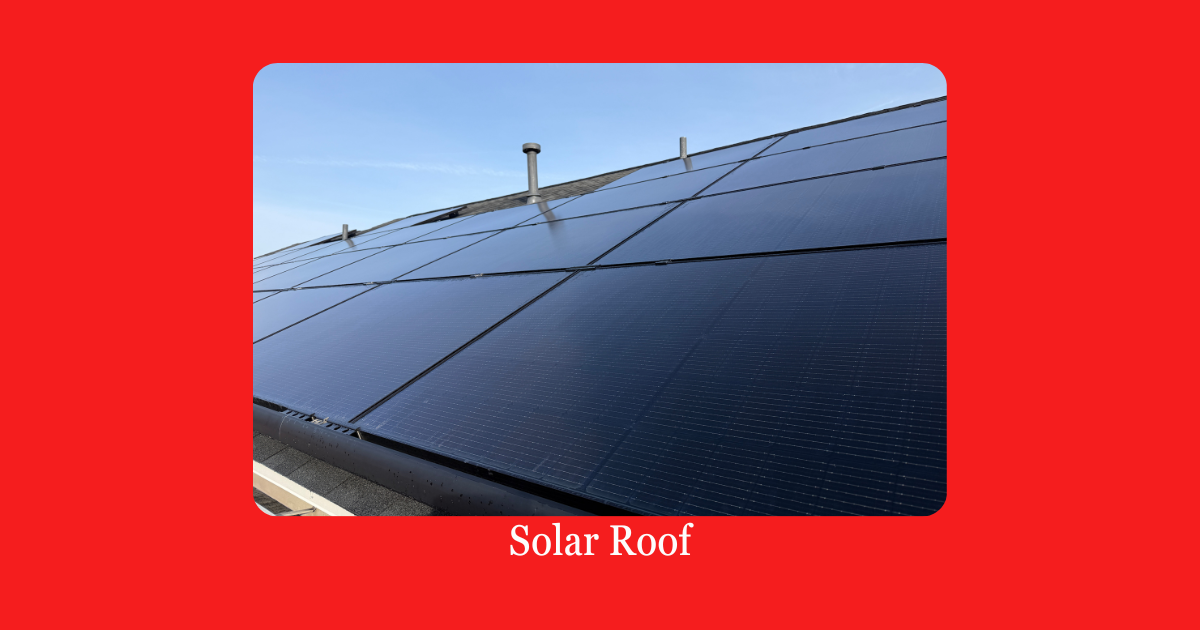
9. Solar Roofing
Overview
Solar shingles or panels can replace or overlay traditional roofing materials while generating electricity.
Pros
Offsets energy bills
Clean, renewable energy
Some solar shingles blend seamlessly into the roof
Cons
High upfront costs
Not suitable for every roof orientation
Needs a compatible climate
Best For
Homeowners want to reduce their carbon footprint and long-term energy costs.
Cost Comparison: Different Types of Roofing
Here’s a simplified breakdown of average costs per square foot (installed):
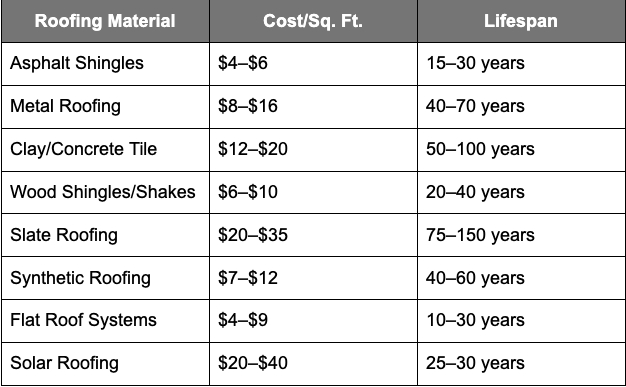
Note: Prices vary by region, pitch, roof size, and labor rates.
Conclusion
There’s no one-size-fits-all answer when choosing between the different types of roofing. Your ideal roof depends on your climate, budget, style preference, and how long you want to live in your home.
If you’re looking for affordability and flexibility, go with asphalt shingles.
If durability and energy efficiency top your list, metal roofing is a solid choice.
If you want elegance and permanence, slate or clay tiles are unmatched.
For a modern, green home, consider solar or green roofing systems.
If you need help deciding which type of roof is right for you, give us a call at: (770) 589-4902