

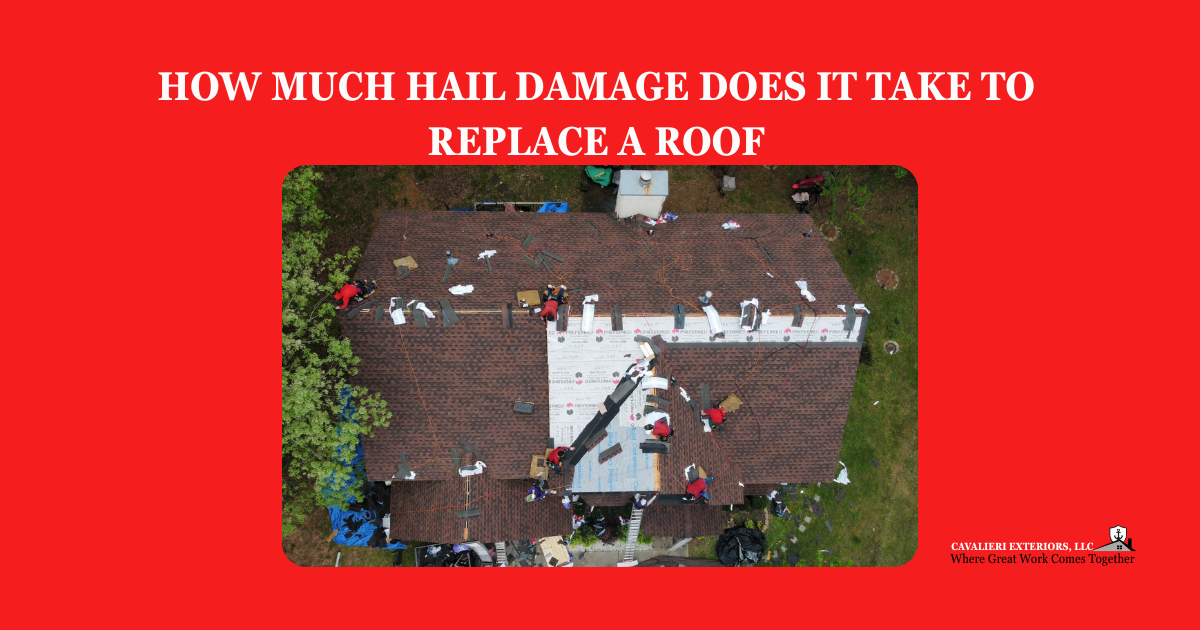
How Much Hail Damage Does It Take to Replace a Roof? A Complete Resource for Homeowners
Hailstorms can be devastating to your property. For your yard, car, or windows, but especially for your roof. If you’ve recently had a hail storm, you might be wondering: how much hail damage does it take to replace a roof? Is a few dents enough, or does your roof need to be fully replaced? Understanding hail damage and the roof replacement process is crucial to protecting your home and investment.
In this detailed guide, we’ll cover:
What hail damage looks like on a roof
How contractors access for hail damages
How much hail damage typically leads to a roof replacement
Signs that your roof should be replaced after hail damage
The insurance claim process for hail damage
How to find a trusted roofing contractor for hail damage repairs or replacement
What to Expect During Roof Replacement After Hail Damage
Maintenance tips after hail damage to prolong your roof’s life
Whether you live in Northwest Georgia or anywhere else prone to hail, this article will help you make informed decisions about your roof after a storm.
What Does Hail Damage Look Like on a Roof?
Hail damage can range from minor cosmetic dents to severe structural damage. Common types of hail damage to roofing materials include:
1. Dents and Bruises on Shingles
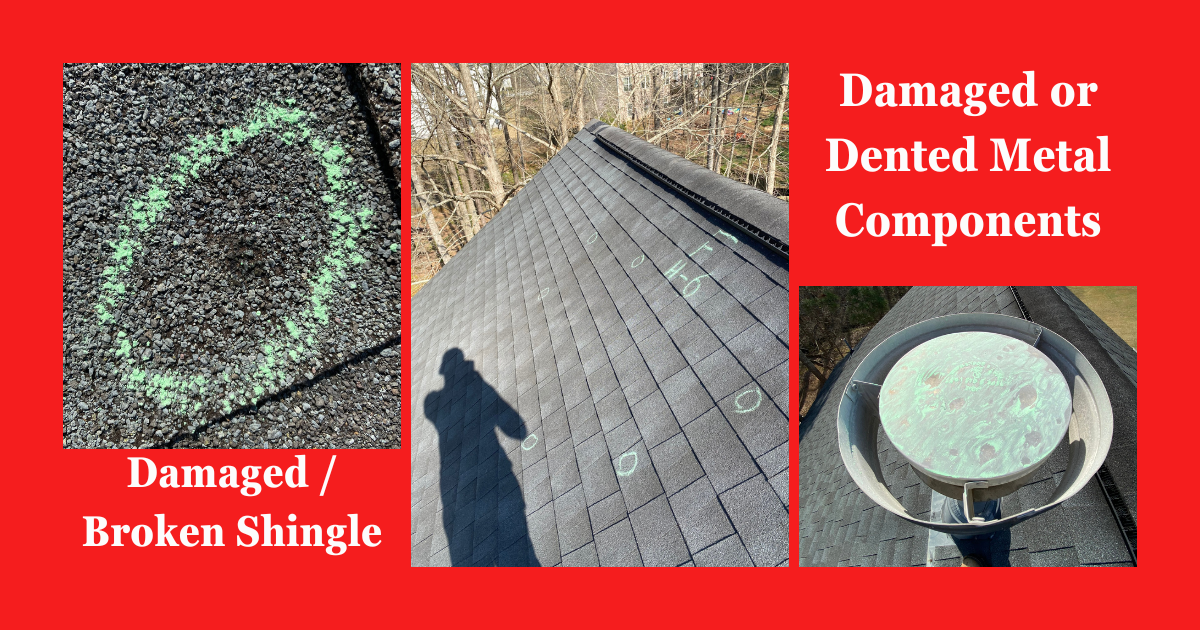
Hailstones hitting asphalt shingles can cause small bruises. These are areas where the granules are knocked off, exposing the underlying mat. Bruises can sometimes be subtle and hard to detect without a close inspection.
2. Cracks or Splits
Larger hail or repeated impacts can cause cracks or splits in shingles, making them less waterproof and vulnerable to leaks.
3. Granule Loss
Asphalt shingles have a protective granule surface that shields the mat from UV rays. Hail damage loosens granules or causes them to fall off, reducing the shingle’s lifespan.
4. Damaged or Dented Metal Components
Metal roofs, gutters, vents, and flashing can get dented or bent, which can affect their function.
5. Cracked or Broken Tiles
On slate, clay, or concrete tile roofs, hail can crack or break tiles, leading to leaks.
How Do Roofing Contractors Assess Hail Damage?
Professional roofing contractors look for specific damage indicators before recommending repairs or a full replacement:
Extent of granule loss: More than 50% granule loss on shingles often signals the need for replacement.
Number and size of dents, cracks, or splits: Multiple cracks or large damaged areas mean the shingles are compromised.
Presence of leaks or water stains: Indications that damage has led to water penetration.
Condition of flashing and gutters: Damage to these parts can affect roofing performance.
Age of the roof: Older roofs damaged by hail are more likely to require replacement.
How Much Hail Damage Leads to Roof Replacement?
This is the big question for most homeowners. The answer depends on:
Roof Age and Condition
If your roof is near the end of its expected life (15-30 years for asphalt shingles), even moderate hail damage may justify replacement.
A newer roof with minor damage might only need spot repairs.
Extent of Damage
Scattered dents or small bruises usually don’t warrant full replacement.
Large areas with heavy granule loss, cracks, or splits often require a full tear-off and replacement.
Insurance Guidelines
Insurance companies use roof condition reports to decide if replacement is covered.
Generally, if 10-30% of shingles are damaged, insurers lean toward replacement.
Cost vs. Repair
Sometimes, repairing the roof may cost nearly as much as replacement, so replacement is more cost-effective.
Signs Your Roof Needs Replacement After Hail Damage
Look for these key signs after a hailstorm:
Multiple damaged shingles with granule loss
Visible cracks or missing shingles
Leaks inside the attic or ceilings
Curling, blistering, or buckling shingles
Dented or bent flashing and gutters
If you see several of these signs, it’s likely time to replace your roof due to hail damage.
The Insurance Claim Process for Hail Damage Roof Replacement
Many homeowners rely on insurance claims to cover hail damage roof replacements. Here’s how the process typically works:
Step 1: Contact Your Insurance Company
Report the hail damage as soon as possible. Some policies have a time limit for claims.
Step 2: Schedule an Adjuster Inspection
The insurance adjuster will assess the damage, usually with a contractor or roofing expert.
Step 3: Get a Professional Roofing Inspection
It’s highly recommended to have a trusted roofer provide an independent inspection and estimate. They may find damage the adjuster missed.
Step 4: Review Damage and Estimates
Compare the insurance adjuster’s report and the contractor’s estimate. Negotiate with the insurer if needed.
Step 5: Approve the Claim and Schedule Repairs
Once approved, the insurer will issue a payout. You can move forward with repairs or replacement.
How to Choose the Right Roofing Contractor for Hail Damage
Choosing a reliable roofing company is critical. Here’s what to look for:
Experience with hail damage repairs and replacements
Licensed and insured
Certified installers for your chosen roofing materials
Positive customer reviews and references
Transparent, detailed written (typed) estimates
Knowledge of insurance claims and working with adjusters
Many homeowners & companies in Northwest Georgia, like Cavalieri Exteriors LLC, specialize in hail damage repair and replacement and offer professional, trustworthy service.
What to Expect During Roof Replacement After Hail Damage
Once you’ve hired a contractor and received insurance approval, the roof replacement process usually includes:
Tear-off of the old, damaged roof
Inspection and repair of the decking if needed
Installation of underlayment and ice/water shields
New shingle or metal roof installation
Replacement or repair of flashing, gutters, and vents
Final inspection and cleanup
Most residential roof replacements take between 1 and 5 days, depending on the size and complexity.
Preventative Maintenance to Protect Your Roof Post-Hail
To prolong your new or repaired roof’s life:
Schedule regular roof inspections every 2-3 years
Clean gutters and downspouts to avoid water buildup
Trim tree branches near the roof to prevent damage
Keep an eye on shingles for early signs of wear or damage
Address small leaks immediately to avoid costly repairs
How Much Does It Cost to Replace a Roof Due to Hail Damage?
Costs vary widely based on roof size, materials, and extent of damage. On average in Northwest Georgia:
Asphalt shingle roof replacement: $8,000 – $12,000+
Metal roof replacement: $10,000 – $20,000+
Tile or slate roof replacement: $15,000 – $30,000+
Insurance usually covers most or all costs if the damage is verified.
FAQs About Hail Damage and Roof Replacement
-
Yes, small isolated damage can often be repaired. But widespread granule loss or cracks often require replacement.
-
As soon as possible, ideally within days or weeks, to catch damage before leaks develop.
-
Hail damage usually isn’t covered by manufacturer warranties but may be covered by your insurance.
-
Yes. It’s better to have a professional inspection and file a claim if needed.
Conclusion
If your home in Northwest Georgia has recently experienced a hailstorm, it’s important to schedule a professional inspection as soon as possible. At Cavalieri Exteriors LLC, we specialize in storm damage roof inspections, repairs, and full replacements, and we work directly with homeowners throughout the insurance claim process to ensure nothing is overlooked. Our goal is to restore your roof properly and give you complete peace of mind moving forward. Reach out today to schedule your free hail damage inspection and protect your home before small issues turn into costly repairs. (770)589-4902