

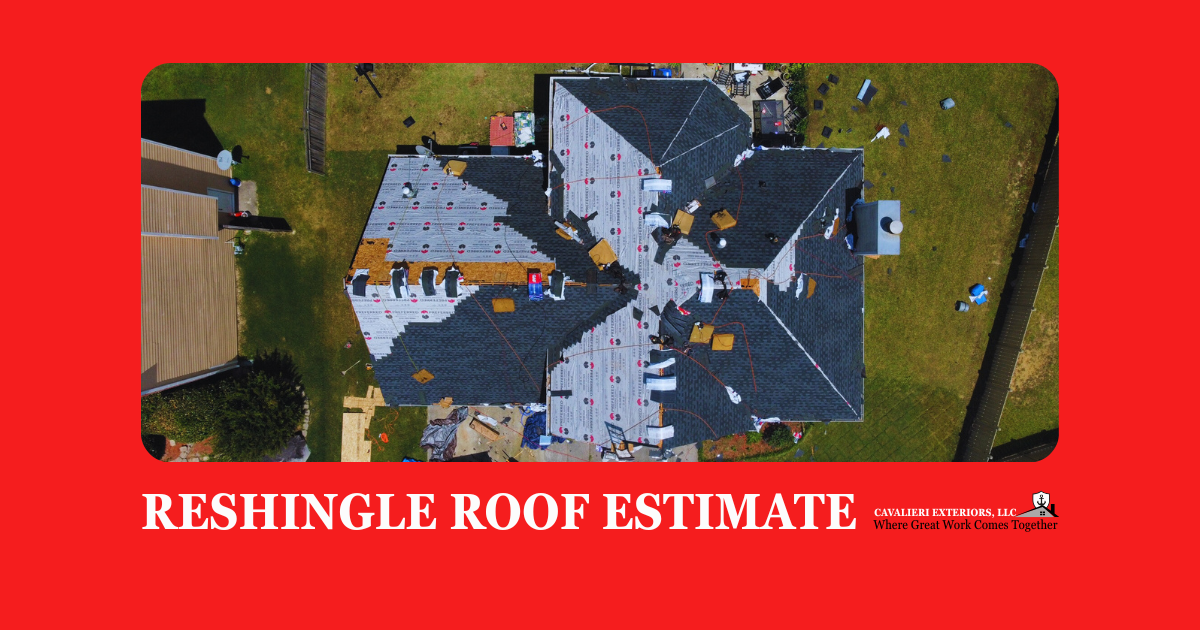
Reshingle Roof Estimate: Need to Know for Homeowners
If your roof is showing signs of wear, damage, or missing shingles, you’ll want to know about a reshingle roof estimate. The costs associated with a reshingling project help homeowners plan financially, avoid surprises, and ensure they hire the right contractor. Reshingling involves replacing the top layer of shingles on your roof, which can restore its protective function, improve curb appeal, and increase your home's overall value.
In this article, we’ll cover everything you need to know about: Getting an accurate reshingle roof estimate, factors that affect cost, the different types of shingles, the process of reshingle installation, insurance considerations, and tips for choosing the right contractor.
What Is a Reshingle?
Reshingling is the process of removing old, damaged, or worn shingles from a roof and replacing them with new ones. A reshingle is not considered a full roof replacement; it may involve structural repair. A reshingle generally focuses on the visible top layer, though minor decking repairs may be needed if underlying damage is present.
Top Reasons to Reshingle:
Aging Roof - Most asphalt shingles last 15-20 years. After that, they may curl, crack, or lose granules.
Storm Damage - Heavy wind, hail, or ice can remove shingles or compromise their integrity.
Leaks or Water Damage - A reshingle can stop leaks and prevent further interior damage.
Aesthetic Updates - New shingles can give a new look to your home.
Key Factors That Affect a Reshingle Roof Estimate
Several variables influence the cost of re-shingling projects. Understanding them will help you evaluate quotes accurately.
Roof Size
The larger the roof, the more materials and labor are required.
Roof size is measured in “squares,” with one square equal to 100 square feet.
Roof Complexity
Steep roofs, multiple angles, dormers, and chimneys increase labor costs.
Complex roofs require more safety precautions and time to work efficiently.
Type of Shingles
Asphalt: Most common and cost-effective
Architectural/Designer: Thinker, longer-lasting, more expensive.
Metal or speciality shingles: Higher price points, often used for longevity or aesthetics.
Roof Conditions
If the decking or underlayment is damaged, repairs add to the cost.
Rotting boards, water damage, or structural issues increase both labor and material costs.
Geographic Location
Labor and material costs vary by region.
Roofers in urban areas may charge more due to higher operational expenses.
Disposal of Old Shingles - Most re-shingle projects require the removal and disposal of old shingles. - Dumpster rental and hauling fees are included in most estimates.
Average Reshingles Roof Costs
The cost of re-shingling projects varies widely depending on the factors above. Here’s a general breakdown:
Asphalt Shingles: $4.00-$6.00 per square foot installed
Architectural Shingles: $5.00-$7.00 per square foot installed
Designer Shingles: $6.50-$9.00 per square foot installed
For an average 2,000-square-foot home (approximately 20 squares), homeowners can expect:
Asphalt: $8,000-$12,000
Architectural: $10,000-$14,000
Designer: $13,000-$18,000
**These estimates include labor, materials, and disposal but may vary based on roof complexity and local rates.The Reshingle Process
Understanding the re-shingling process helps homeowners anticipate what to expect and assess estimates accurately.
Step 1: Inspection
A roofer evaluates current roof for damage and structural issues.
They may check for rot, weather damage, or improper installation that could complicate a shingle.
Step 2: Removal of Shingles
The existing shingles are stripped from the roof.
Inspect underlayment and boards for rot or damage as needed.
Step 3: Installation of Underlayment
A protective layer (felt or synthetic underlayment) is installed to prevent leaks.
Proper installation ensures longevity and warranty compliance.
Step 4: Installation of New Shingles
Shingles are installed from the bottom up, overlapping to create a watertight barrier.
Proper alignment and mailing are crucial for durability and wind resistance.
Step 5: Flashing and Ventilation
Flashing around chimneys, vents, and valleys is checked or replaced.
Proper ventilation is essential to prevent heat and moisture buildup.
Step 6: Cleanup
Old shingles, nails, and debris are removed.
Gutters are cleaned, and the area around the home is restored.
Tips for Getting an Accurate Reshingle Roof Estimate
Request Multiple Quotes
Compare at least three estimates from licensed contractors.
Verify Contractor Credentials
Check for licensing, insurance, and references.
Ask About Materials and Brands
Ensure the estimate specifies the shingles type, brand, and underlayment.
Understand What’s Included
Labor, materials, disposal, and warranty coverage should all be itemized.
Ask About Hidden Costs
Inspectors may find rot or damage that needs extra work; clarify how those are billed.
Get Everything in Writing
A formal estimate protects both homeowners and contractors from misunderstandings.
Insurance Considerations
If you need a re-shingling due to storm damage:
File a Claim Promptly - Document the damage with photos and reports.
Deductibles - Understand your policy deductible before starting work.
Work with Licensed Contractors - Insurers typically require licensed professionals for claims
Inspection Reports - Roofers’ assessments help support insurance claims.
Insurance coverage can significantly reduce out-of-pocket costs but varies depending on the policy type of damage.
Choosing the Right Shingles
Your choice of shingles impacts both your reshingle roof estimate and the roof’s lifespan.
Asphalt Shingles
Lifespan: 15-20 years
Pros: Affordable, widely available, easy to install
Cons: Moderate durability, granule loss over time
Architectural Shingles
Lifespan: 20-30 years
Pros: Thicker, better wind resistance, aesthetic appeal
Cons: Higher cost
Designer/High-End Shingles
Lifespan: 40+ years
Pros: Premium look, long-lasting, strong wind resistance
Cons: Expensive, heavier
Roof Maintenance After a Reshingle
Proper care ensures your new roof lasts as long as possible:
Regular Inspections
Check for missing shingles, damaged flashing, or leaks.
Clean Gutters
Prevent water backup that can compromise shingles.
Trim Trees
Avoid branches rubbing against shingles or breaking off during storms.
Address Minor Repairs Promptly
Fix small issues before they lead to major damage.
Maintain Ventilation
Proper attic ventilation prevents heat and moisture buildup that shortens shingle life.
Common Mistakes to Avoid
Hiring unlicensed contractors to save money
Choosing the cheapest shingles without considering lifespan
Ignoring roof decking damage during reshingling
Not getting a detailed, written estimate
Signs You May Need a Reshingle
Curling, cracking, or missing shingles
Excessive granules in gutters
Leaks or water stains inside your home
Roof age approaching or exceeding the shingle lifespan
Storm or hail damage is visible on the shingles
Questions to Ask Your Roofing Contractor
What type of shingles do you recommend for my roof, and why?
Does the estimate include removal and disposal of old shingles?
Are there any potential additional costs?
How long will the reshingle project take?
Do you offer warranties on labor and materials?
Can you provide references from recent customers?
Budgeting for a Reshingle Roof
Plan for Contingencies - Add 10-20% for unexpected repairs.
Compare Financing Options - Many roofers offer payment plans.
Consider Long-Term Value - High-quality shingles may cost more upfront but last longer.
Conclusion
A reshingle roof estimate is more than just a number; it reflects the condition of your roof, the type of materials, and the labor required to ensure a safe and durable roofing system. By understanding the factors that affect cost, selecting the right shingles, and working with a licensed, professional contractor, homeowners can make informed decisions that protect their home and investment.
Reshingle projects restore your roof’s function, prevent leaks, and enhance your home’s appearance, making them a smart choice when it’s time to replace worn or damaged shingles. (770)589-4902