

Asphalt Roof Life
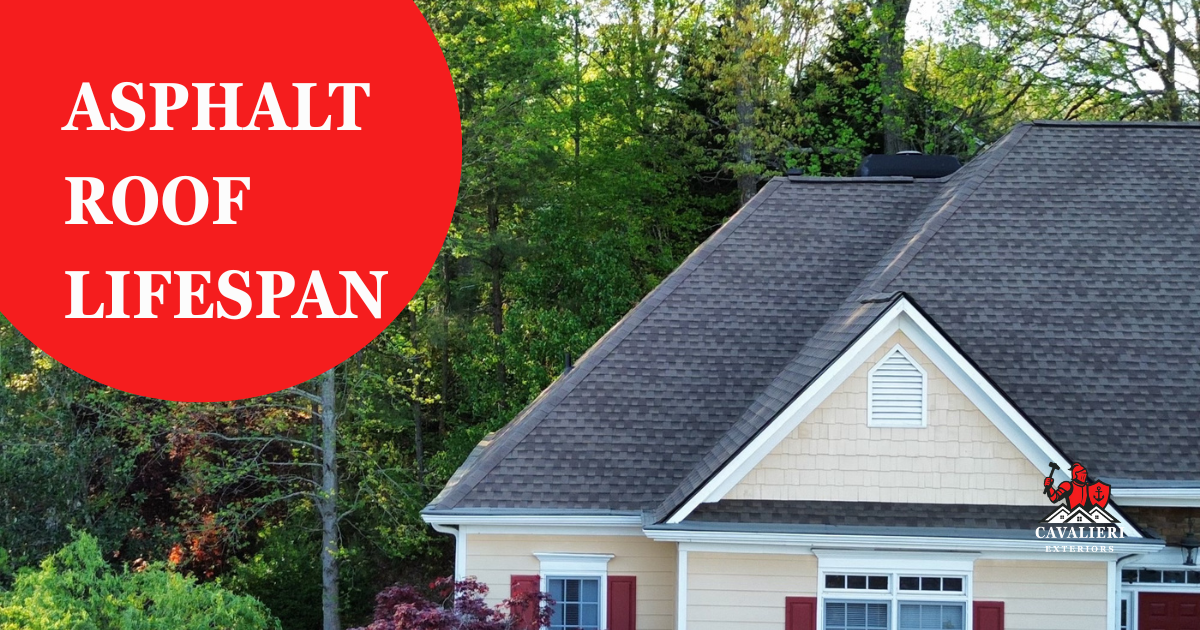
Asphalt Roof Life: How Long Does an Asphalt Roof Last and How to Maximize Its Longevity
Asphalt shingles are among the most popular roofing materials for homeowners across the United States. Affordable, easy to install, and versatile. Asphalt roofs offer a solid balance of performance and cost, but one critical question remains top of mind: How long will my asphalt roof last?
Understanding the lifespan of an asphalt roof helps homeowners plan for maintenance, budget for replacement, and protect one of their most important investments. This article will dive into what an asphalt roof is, the typical life of an asphalt roof, factors of influence, signs that your roof needs to be replaced, ways you can maintain & extend the life of your roof, & why an asphalt roof might be right for you.
What Is an Asphalt Roof?
Asphalt roofs are composed primarily of asphalt-saturated base mats covered with granules to protect against UV rays and weathering, and are both water and fire-resistant. There are two common types:
Organic Asphalt Shingles: An older type with a paper or cellulose base, now less common due to environmental concerns and being more susceptible to warping and rotting.
Fiberglass Asphalt Shingles: A fiberglass mat core for stability, coated with asphalt and granules. The most commonly used.
Most modern roofs use fiberglass asphalt shingles because they’re lighter, more water & fire-resistant, and last longer period of time.
Typical Asphalt Roof Life Expectancy
An asphalt roof’s average life lasts between 15 and 20 years, depending on various factors, including the shingle quality, installation, environmental elements, and maintenance.
Basic 3-tab Asphalt Shingles: Averages around 15-20 years. These are the most economical type, but tend to wear out quicker
Architectural Asphalt Shingles: Multi-layered shingles often last 20-30 years and come with a longer warranty.
Many manufacturers extend warranties of 20-30 years on architectural shingles, which gives a good indication of their lifespan & resistance.
Factors That Influence Asphalt Roof Longevity
Several factors affect the actual life you’ll get from your asphalt roof:
Quality of Material
Premium architectural shingles with better materials last longer than basic three-tab shingles.
Professional Installations
Bad installation can lead to wind damage, water infiltration, and severely reduce the lifespan.
Climate and Weather
Extreme weather conditions such as heavy heat, freeze-thaw weathering, hail, and strong winds can shorten roof life.
- In hot southern climates, UV exposure can degrade shingles, causing them to lose their protective granules.
- In colder northern regions where it snows, weighing icicles and snow adds stress.
Roof Pitch and Ventilation
Steeper roof pitches shed water and debris more effectively, extending shingle life. Adequate attic ventilation keeps your roof dry and avoids hazardous mold buildup, reducing the risk of shingle deterioration and wood rot.
Roof Maintenance
Regular cleaning, inspections every 5-10 years, and timely repairs help preserve your roof’s integrity.
Roof Color and Material Technology
Darker shingles absorb more heat, which can reduce the lifespan of the shingles. Newer shingles with reflective coatings can help increase longevity by minimizing UV damage.
Signs Your Asphalt Roof Is Nearing the End
Knowing when to replace your roof can help prevent leaks, costly repairs, and structural damage.
Watch out for these signs:
Curling or Buckling Shingles: Indicates aging and harsh weather exposure.
Granule Loss: Check your gutters for excessive granules that come off your shingles
Water Leaks or Stains Inside the Home: A clear sign your roof is failing.
Missing or Broken Shingles: Missing shingles compromise waterproofing.
Black Streaks or Moss: In certain climates, algae can grow on your shingles and cause moisture issues.
Sagging Roof Deck: Could indicate structural damage from prolonged water damage.
If you notice any of these on your roof, call a roofing professional for an inspection.
Ways to Increase the Life of Your Asphalt Roof
Maintaining your roof properly can maximize its lifespan:
Regular Inspections
Inspect your roof twice a year and after major storms to spot problems early.
Keeping Gutters and Roof Surface Clean
Remove debris, leaves, and moss to prevent water backup and shingle damage.
Repair Minor Damage Promptly
Replace missing shingles and fix leaks before they worsen.
Don’t Walk on the Roof
Excessive foot traffic can damage shingles
Ensure Proper Ventilation
Good airflow in the attic prevents heat buildup and moisture accumulation.
Trim Overhanging Trees
Tree Branches rubbing against shingles cause wear and invite pests.
Asphalt Roof Maintenance Checklist
Here’s a simple maintenance checklist to keep your roof in top shape:
Check for damaged or curling shingles
Clean gutters and downspouts
Scrub off moss and algae using gentle cleaning solutions
Check the flashing around your chimney & vents for cracks or rust
Look inside the attic for leaks or water stains
Make sure attic vents aren’t obstructed
Trim nearby trees
Schedule a professional roof inspection every few years
Cost Considerations for Asphalt Roof Replacement
The average cost, according to Angi, to replace an asphalt roof varies based on size, location, and materials, but typically ranges from $5,870 - $13,223 for a standard single-family home.
While asphalt shingles are generally affordable, choosing higher-quality architectural shingles with a professional installation team may raise upfront costs, but provide longer-term savings through durability.
Comparing Asphalt Roof Life to Other Roofing Materials
For context, here’s a rough comparison of roof material to its lifespan:
Roofing Material | Typical Lifespan
Asphalt Shingles | 15-20 years
Wood Shingles | 25-50 years
Metal Roofs | 50+ years
Tile Roofs | 50-100 years
Slate roofs | 75-150+ years
Asphalt shingles offer a cost-effective option with decent longevity, but other materials may be a better option for homeowners looking to maximize their roof’s lifespan.
When to Replace Your Asphalt Roof
Replacing your roof is necessary when:
Multiple shingles are missing, cracked, or curling.
You have repeated leaks or water damage.
The roof is near or beyond its expected lifespan.
The roof deck or structure shows signs of rot or sagging.
You want to upgrade to better materials or improve your home’s energy efficiency.
Environmental Impact and Recycling Asphalt Shingles
Old asphalt shingles can be recycled and reused in paving and construction materials, reducing landfill waste. When replacing your roof, ask your contractor about recycling options in your area.
Choosing the Right Contractor for Asphalt Roof Installation
A proper installation is crucial for maximizing your asphalt roof’s life. Consider the following when hiring a roofer:
Check reviews and past work.
Verify licensing and insurance
Ask about shingle brands and warranties offered.
Request a written estimate and contract.
Ensure they offer a workmanship warranty.
End Notes
Asphalt generally lasts 15-20 years, depending on shingle type & care.
Architectural shingles last longer & are more durable than basic 3-tab shingles.
Climate, ventilation, & maintenance heavily influence lifespan.
Regular inspections & repairs can significantly extend your roof’s life.
Know the warning signs for replacement to avoid costly damage.
Frequently Asked Questions (FAQs)
-
Look for curling, missing shingles, granule loss, leaks, and water stains inside your home.
-
Yes, darker shingles absorb more heat, which can speed up aging.
-
Absolutely, regular inspections, cleaning, and repairs help maximize longevity.
-
Architectural shingles typically last 20-30 years, while 3-tab shingles last 15-20 years.
-
They can be recycled, and products used today have more sustainable materials.
Conclusion
An asphalt roof remains one of the most dependable and cost-effective roofing options for homeowners across the country. By understanding the average lifespan of asphalt shingles and the factors that influence their longevity, you can make informed decisions about maintenance, repairs, and future replacement. With high-quality materials, proper installation, and routine upkeep, an asphalt roof can provide lasting protection and peace of mind for many years. Stay proactive, watch for early signs of wear, and partner with a trusted roofing professional to ensure your home stays protected for the long haul.